I came to amateur radio later in life, and I belong to several clubs — the Fair Lawn Amateur Radio Club, the New Providence Amateur Radio Club, the New Jersey Emergency Communications Team (NJECT), the Morris Radio Club, and the Raritan Valley Radio Club. That gives me a seat most long-time members don’t have: I still remember exactly what it felt like to walk into a club meeting as the new person — and I watch other new people do it, month after month. Some of them come back. A lot of them don’t. The difference is rarely the hobby. It’s the club.
Here is what today’s club has to change to — from one member’s observation, and from what clubs that are actually growing keep proving.
1. A meeting needs a program
Business is necessary. Minutes, treasurer’s reports, committee updates — a club has to run. But if the business is the meeting, a visitor has just sat through an hour of other people’s paperwork. Nobody joins a club for that, and nobody drives across town twice for it.
The meetings that fill chairs lead with a program: a radio programmed live, an antenna built on the table, a mode demonstrated, a member’s project shown and explained. Business can be short, printed, or handled by the board. The program is the product. A new ham should leave every meeting having learned one thing they can use on the air.
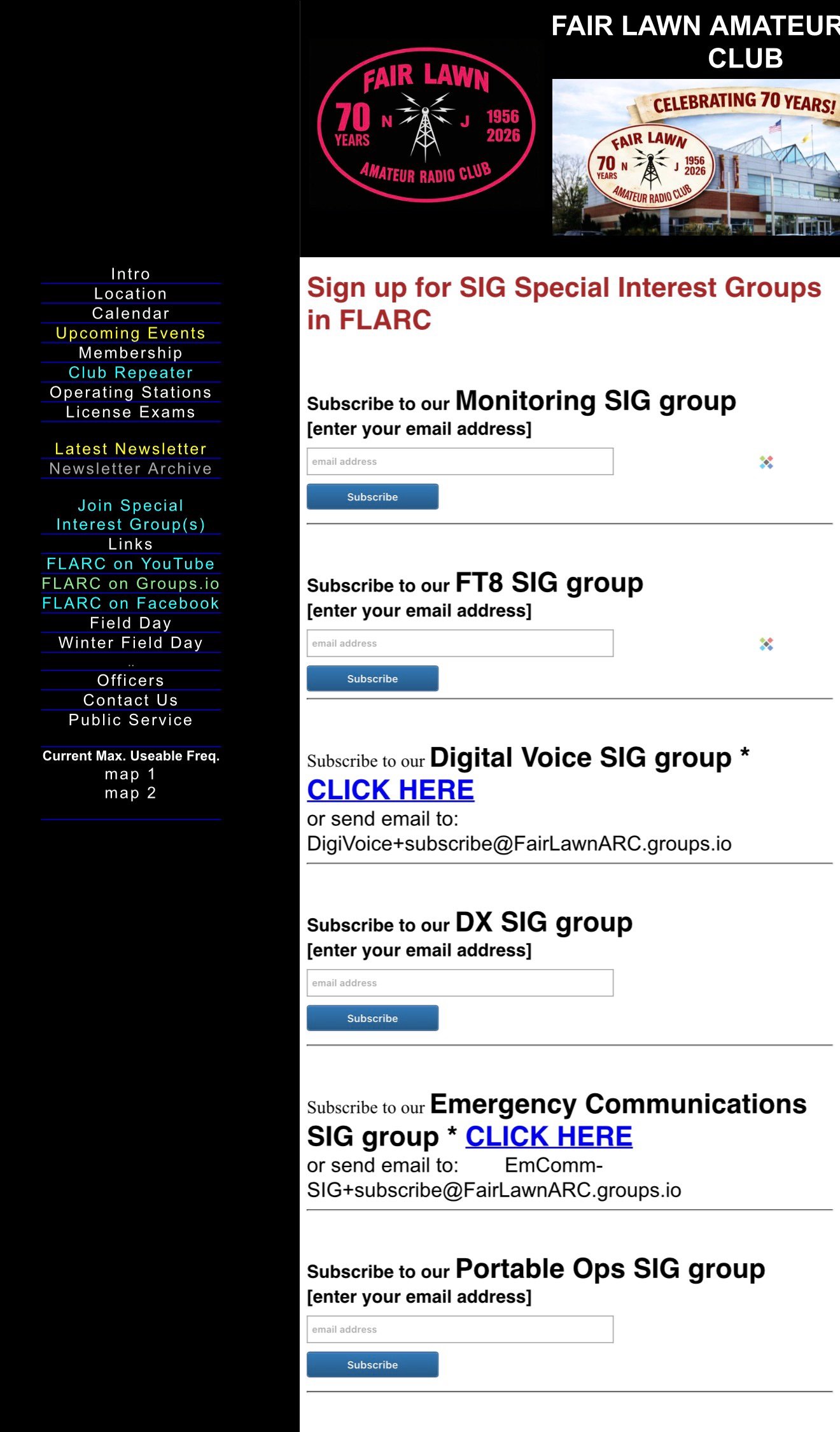
The smart clubs stretch the program past meeting night. Fair Lawn runs special interest groups members can join any time — Monitoring, FT8, Digital Voice, DX, Emergency Communications, Portable Ops — each one a standing reason to stay involved between meetings, and most of them work just as well for a member joining from home.
2. A club has to be visible in its community
Most people have never met a ham — but they have stood next to us at the fair, the parade, the charity run, and Field Day in the park. Public events are where the hobby stops being a rumor. Clubs that grow treat visibility as a standing job, not an accident: operate in public, show up for community service, keep a current website with the next meeting’s date, place, and a named contact, and let a visitor join online instead of waiting a month for the next meeting.
Here’s the quiet killer: outdated meeting information. A curious person who finds last season’s schedule concludes the club is dead — and they’re not wrong to.
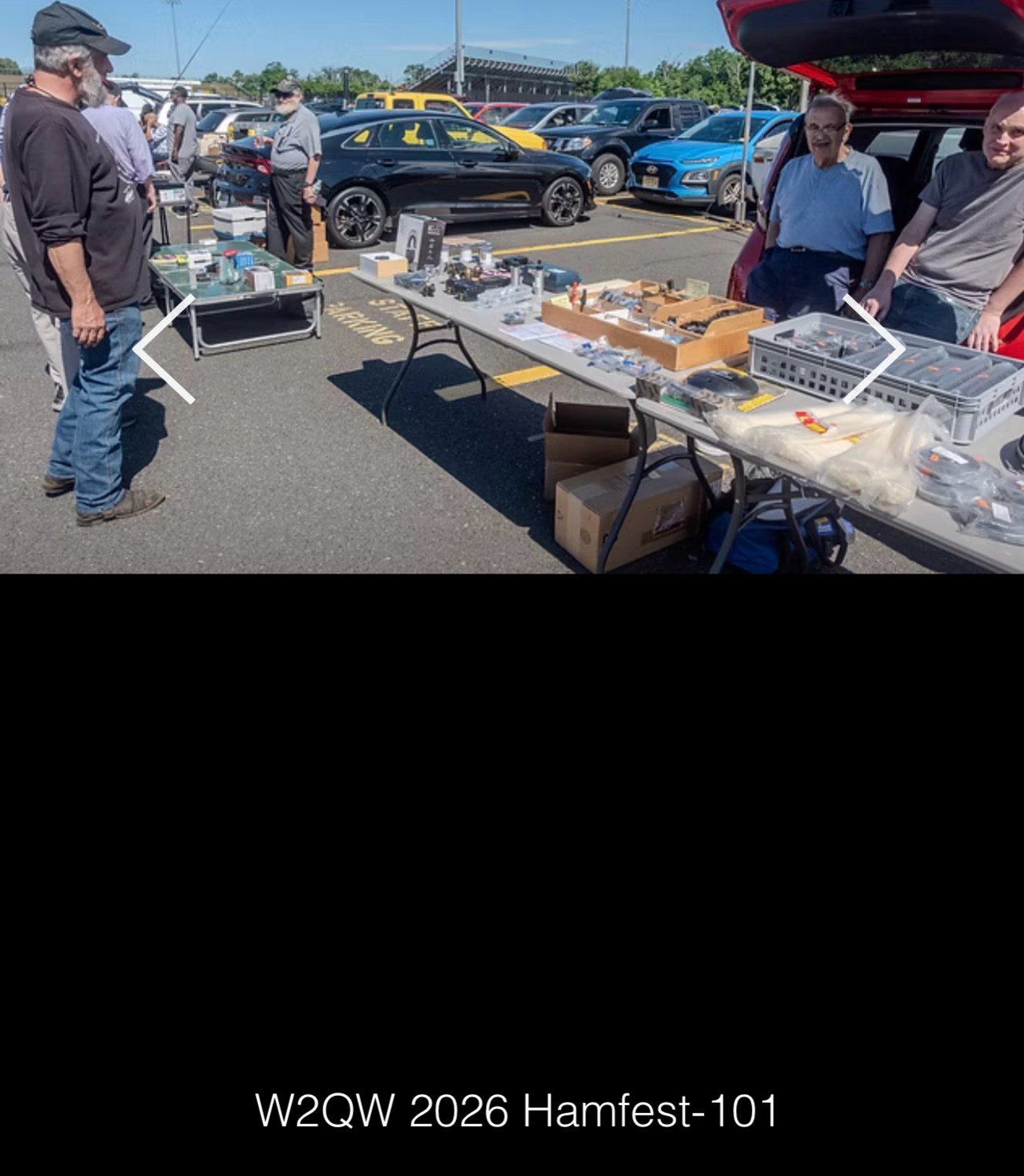
The hamfest is the other front door — the one event where the public, the curious, and the brand-new licensee all walk up to the club at once. Raritan Valley’s W2QW hamfest tables do more recruiting in one morning than a year of hoping people find the meeting. And the clubs that last — Morris Radio Club has been at it for over 75 years — treat that public face as part of the club’s real work, not an extra.
3. Zoom is a door, not a threat
Every club now has two kinds of members: the ones in the room and the ones on the screen. Some older members hear “virtual member” as “not a real member.” That attitude will cost the club its future.
Think about who the virtual member is. The parent who can’t leave the house at night. The worker on shifts. The member whose health or driving keeps them home after dark. The curious unlicensed neighbor who would never walk into a strange room but will click a link to listen. Zoom the programs and you haven’t weakened the meeting — you’ve doubled its reach. Record them, and the program keeps recruiting while everyone sleeps.
The virtual member is not the problem. The virtual member is the pipeline. Some of them become room members. Some never do — and still pay dues, check into nets, and volunteer. Take the win.
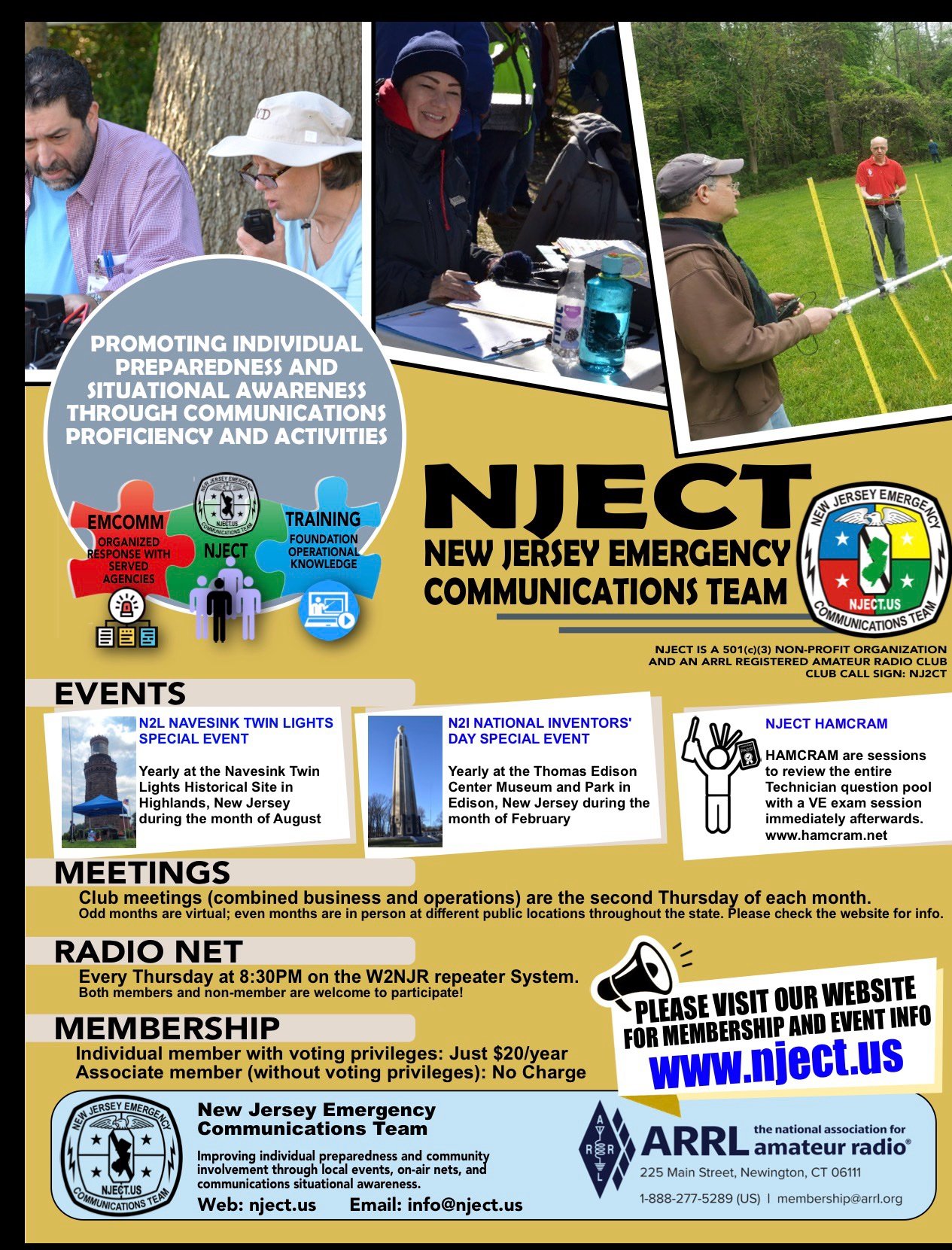
One of my own clubs already runs on exactly this model — by design, not by accident. NJECT, the New Jersey Emergency Communications Team, alternates its monthly meetings: odd months virtual, even months in person at public locations around the state. Its Thursday night net on the W2NJR repeater system is open to members and non-members alike — anybody with a radio can check in and belong a little before they ever join. That’s not a club weakened by the virtual member. That’s a club built on purpose so the door is never closed.
4. Mentor new members — on purpose
Here is the statistic club leaders keep putting on the screen: the average age of a ham climbs by roughly a year, every year, and a large share of new licensees never really get on the air — they drift, and eventually their licenses lapse. Recruiting is not the hobby’s biggest problem. Retention is. Clubs don’t mostly have a recruiting problem; they have a second-visit problem.
The fix is as old as the hobby: the Elmer. But hoping mentoring happens is not a program. Assign it. Pair every new member with a named mentor for the first few months, with a short list to work through: program the handheld for the local repeaters, check into the club net together, make a first HF contact, come to a build night or an operating event. And follow up after every exam session — a new license does not automatically become a new operator. The days right after the test are when a new ham is most excited and most lost. That is exactly when the club should be calling.
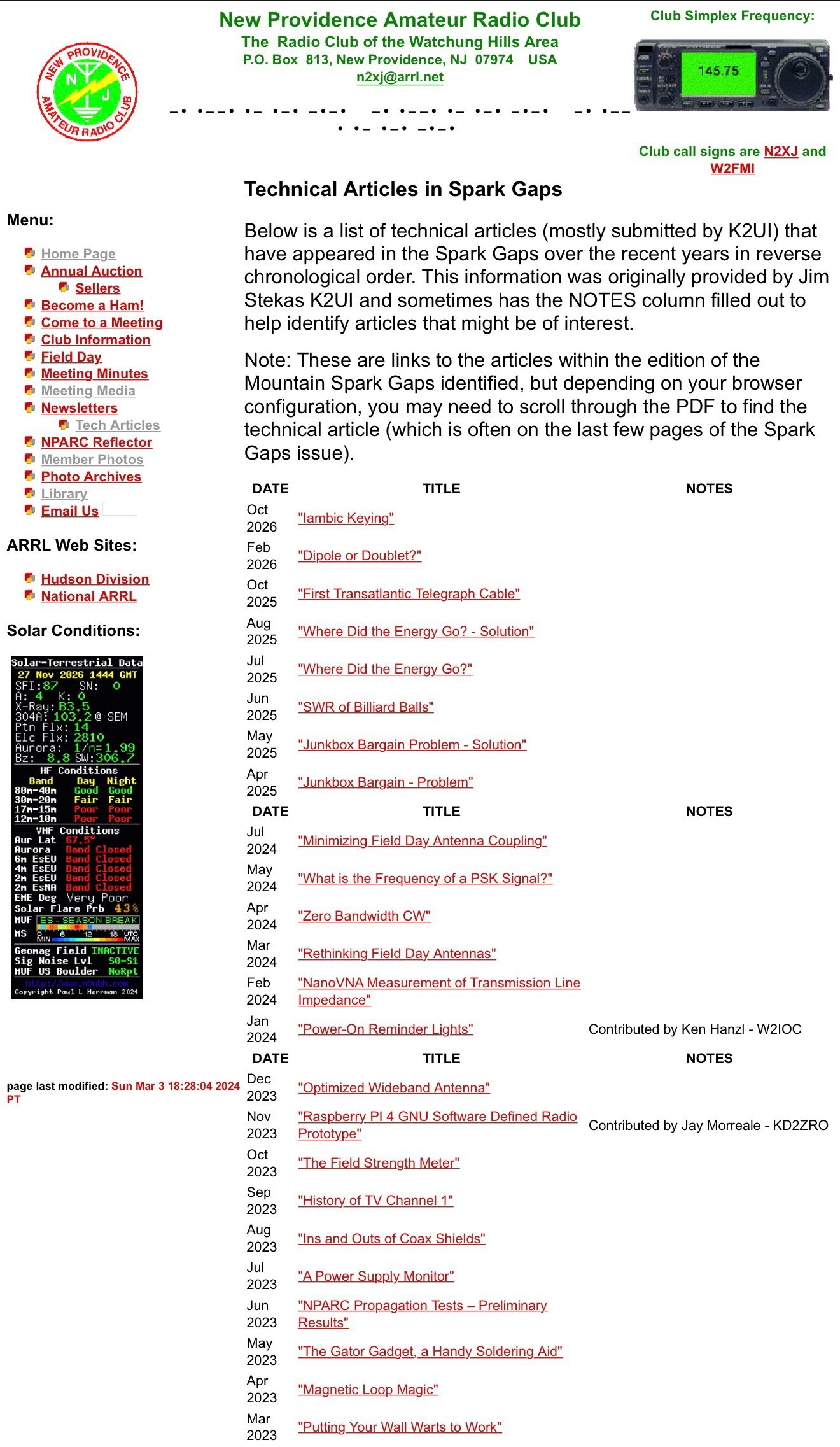
Teaching is mentoring in print, too. NJPARC’s Spark Gaps newsletter has carried member-written technical articles for years — iambic keying, antennas, transmission lines, test equipment — archived on the club’s website where any member, in the room or on a screen, can learn from them at 2 AM. That archive is the Elmer tradition doing virtual-member work before anyone called it that.
And look at how NJECT handles the exam itself: their HamCram sessions review the entire Technician question pool and hold the VE exam immediately afterwards — then the new licensee is already standing in a room full of members, with a Thursday net that same week to check into. No gap between “licensed” and “belonging” for the new ham to fall into.
5. Build a place with radios in it
This is the one clubs resist, because it’s the hardest: develop a physical location with equipment.
Look at who we’re trying to attract. New hams and younger hams often live where an HF antenna is impossible — apartments, HOAs, dorms, small lots — and a first HF station is real money. A club station answers both problems at once: real antennas, real radios, a place to sit next to someone who knows what they’re doing. Clubs that have a clubhouse or a station members can actually use hold onto people, because the club gives them something they cannot get at home. Loaner gear and open shack nights are the lighter version of the same idea: access beats advice.
A club that is only a meeting competes with a calendar. A club with a station is a destination.
Don’t take my word for it — look at what it looks like when a club actually does it. Fair Lawn’s club station, W2NPT, has five fully equipped operating positions: a Flex 6400 position for SSB and CW, an Icom 746 Pro position dedicated to FT8/FT4, an Icom 756 Pro III position for general HF with the VHF/UHF and APRS gear on the shelf above it, a showcase Flex 6400M position with rotator control, and a Kenwood position the club itself calls a favorite for its beginner operators. Five HF rigs, member access, and a museum of early amateur and commercial radio gear on the same premises, so a newcomer learns the hobby’s history in the same room where they make their first contacts.
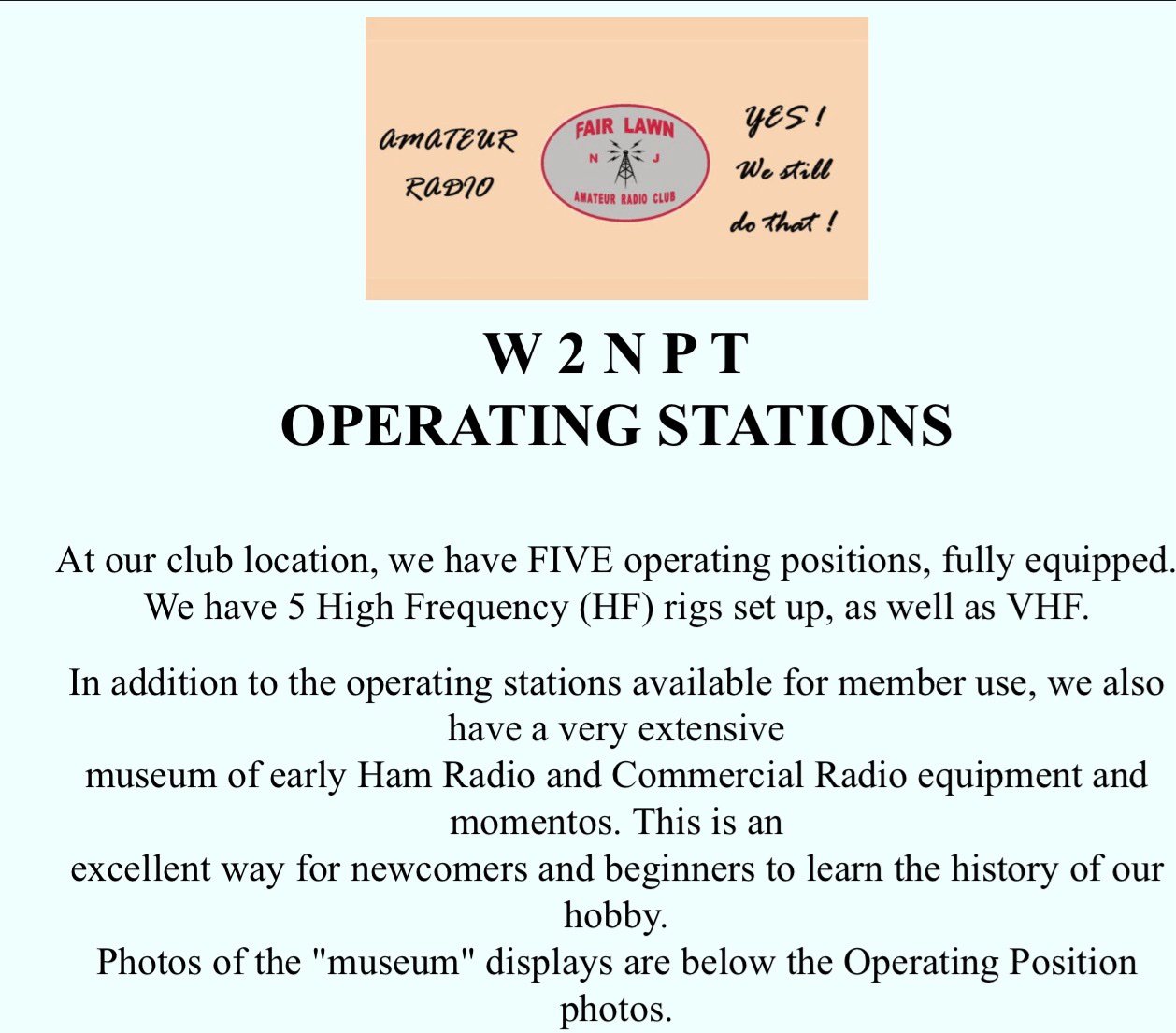
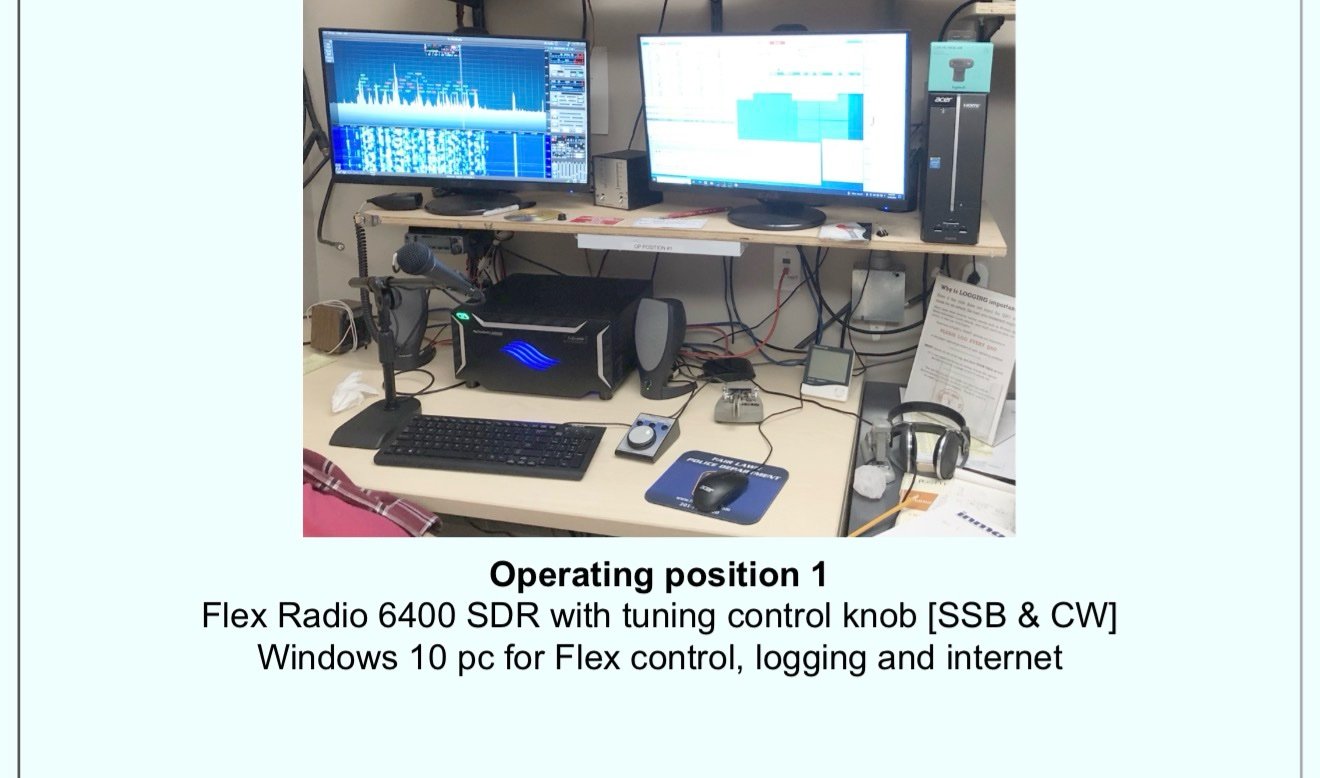
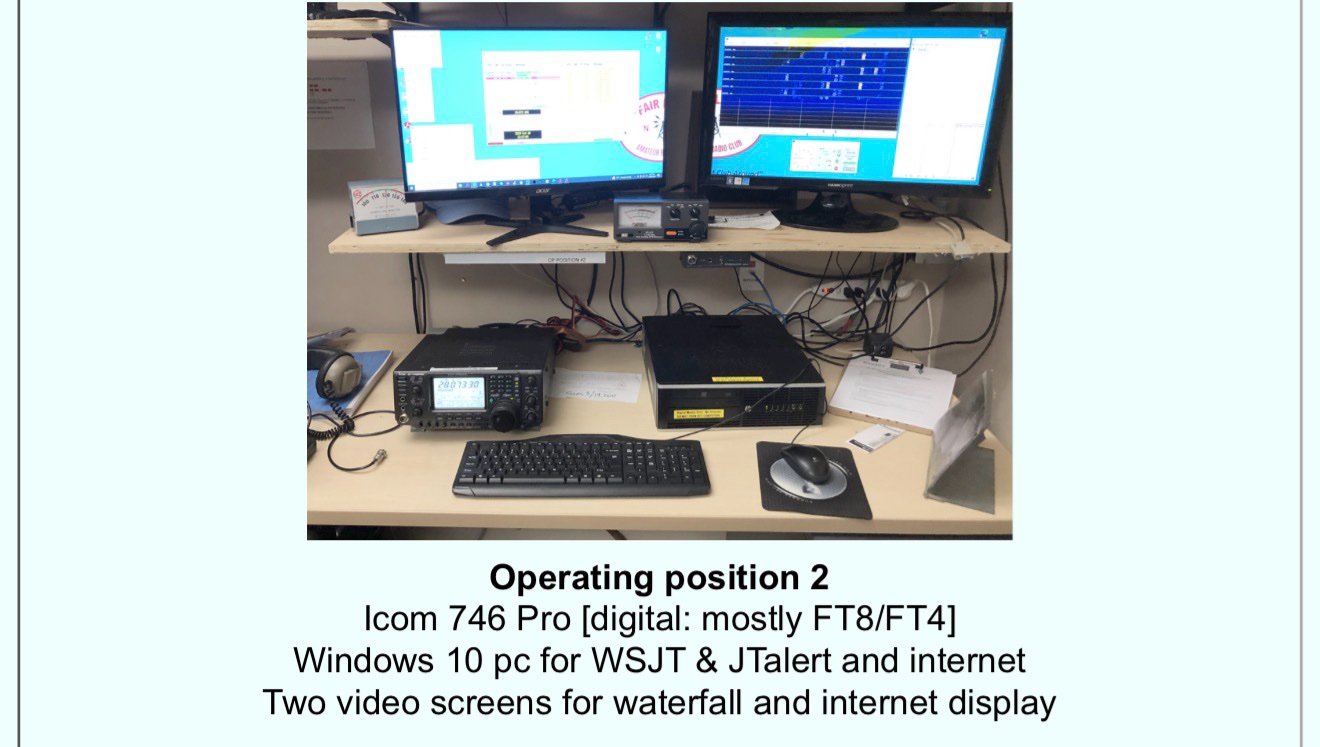
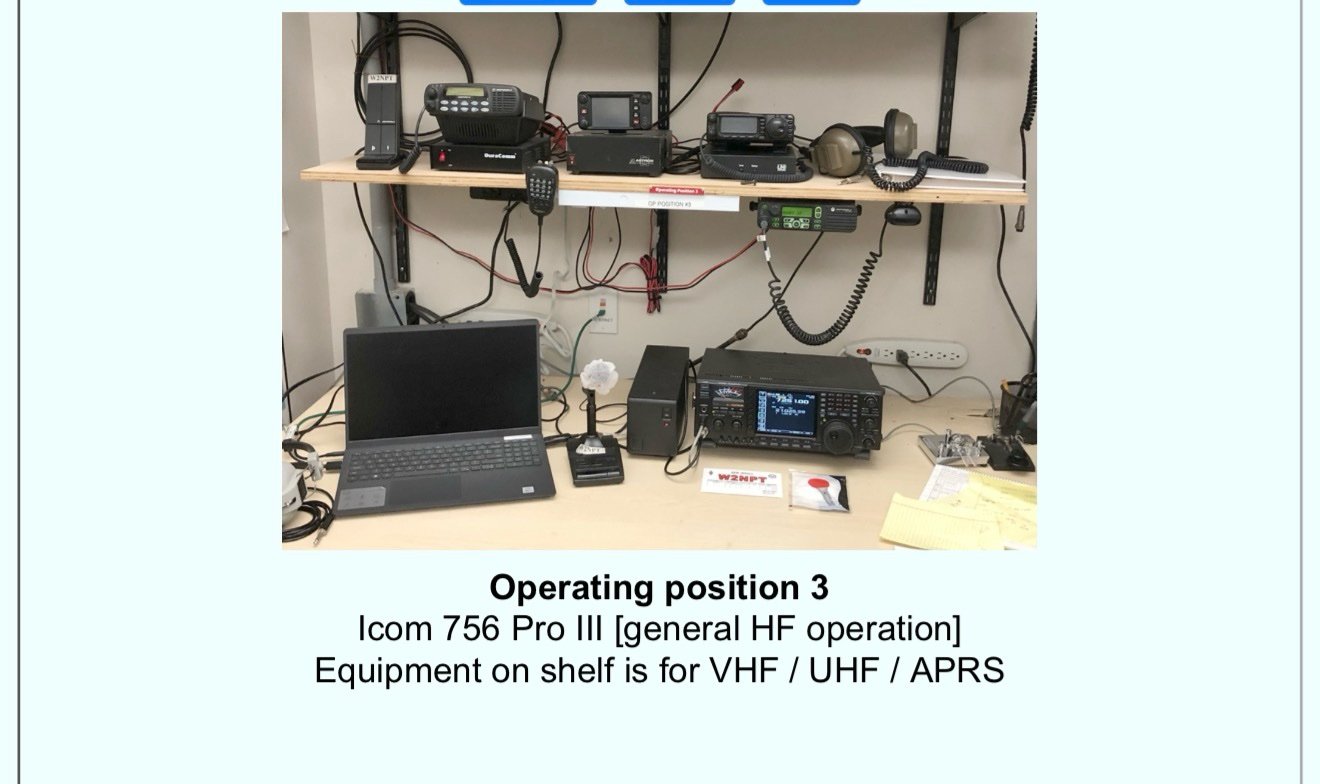
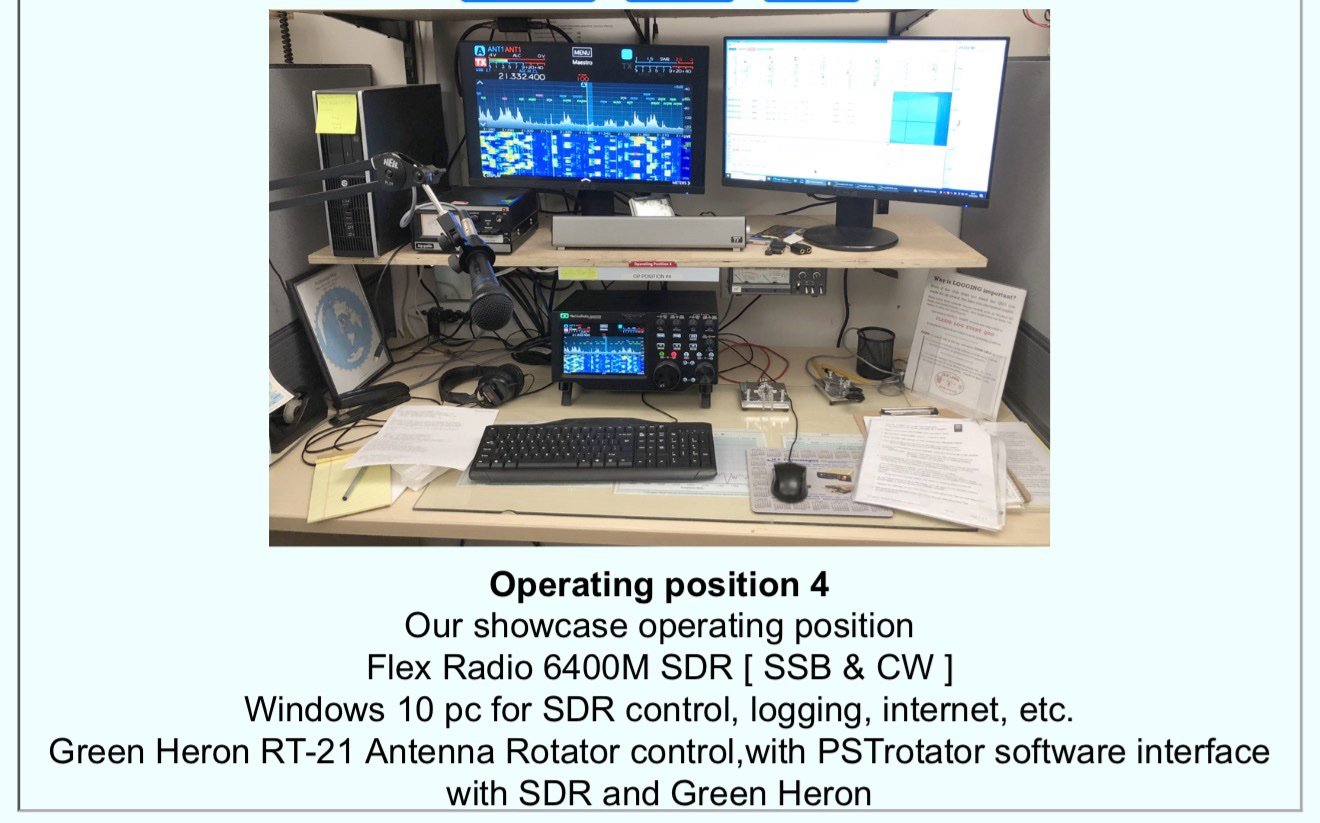
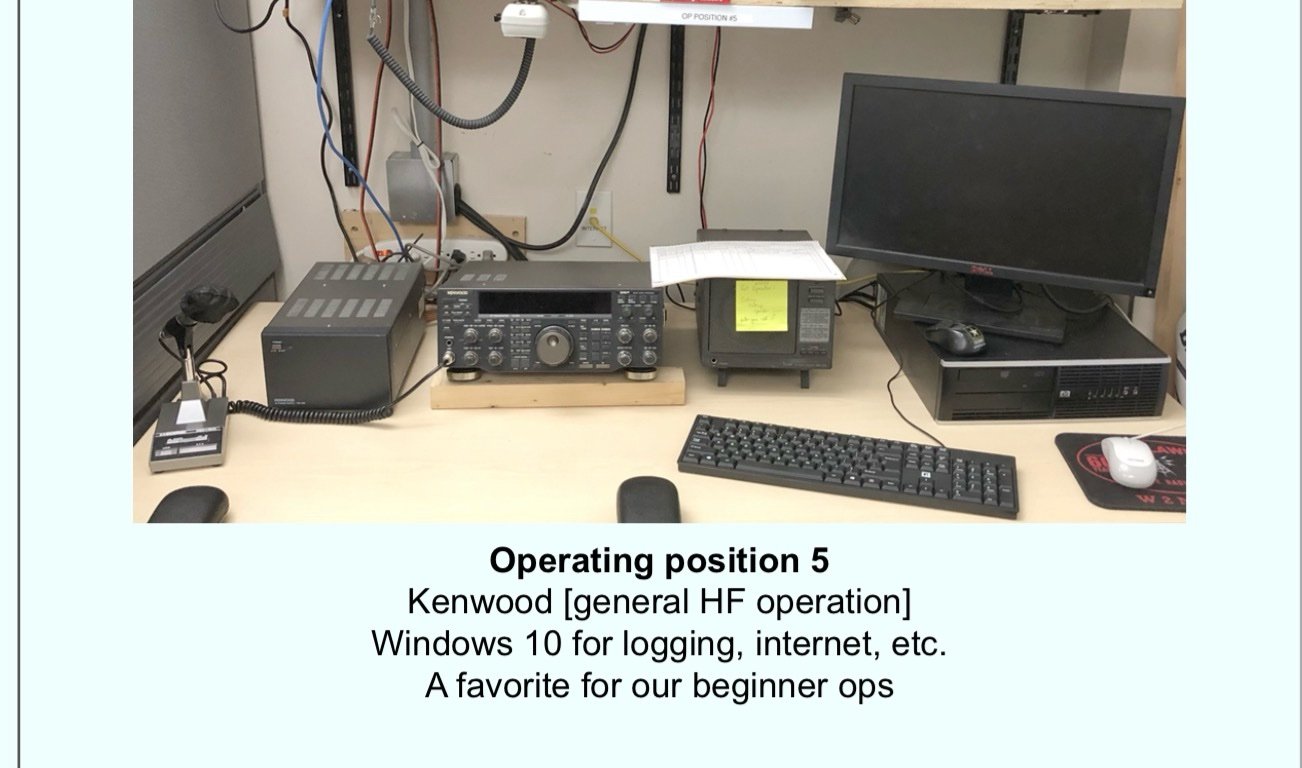
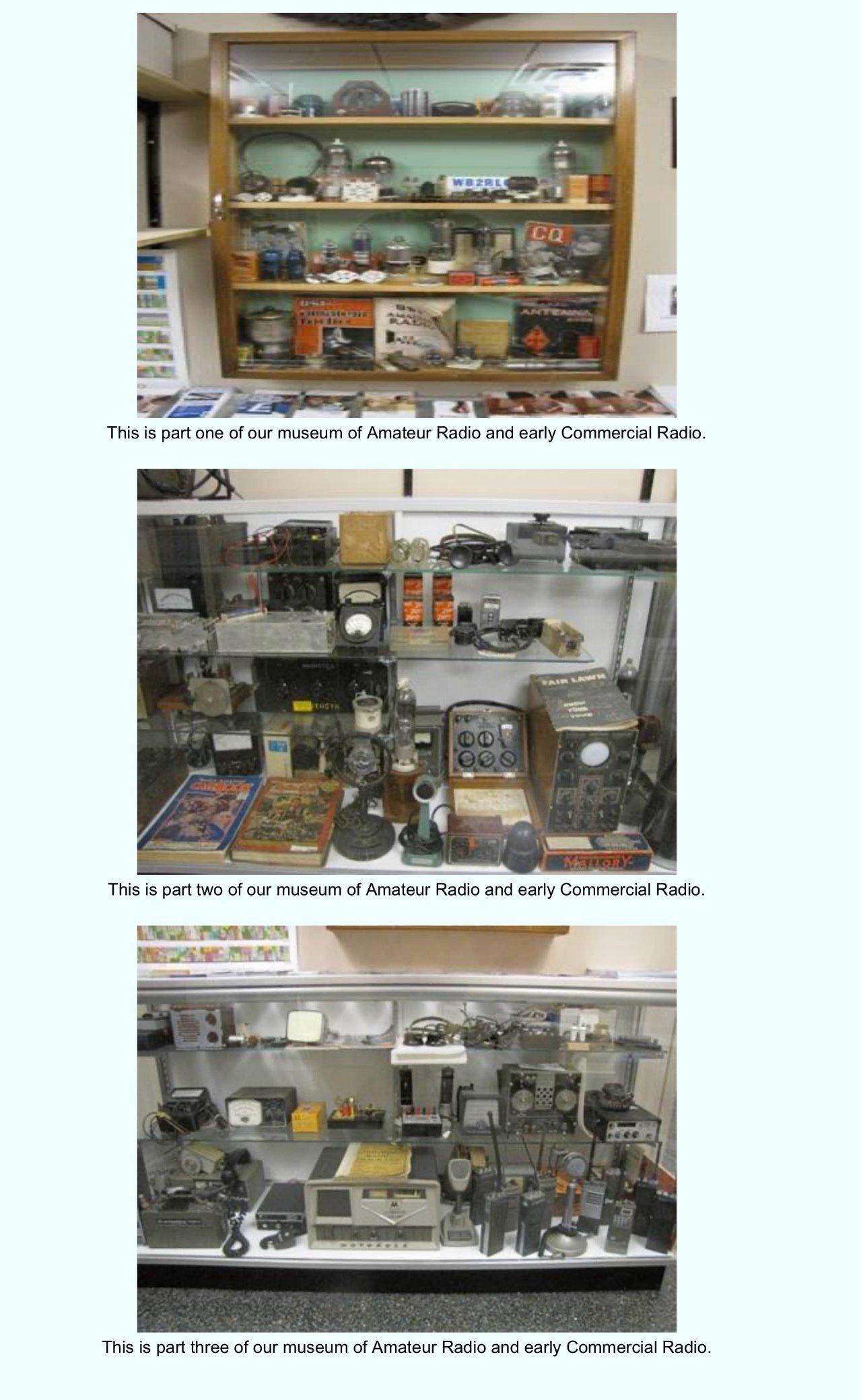
That is the standard. A new ham who can’t put up an antenna at home can walk into that room and work the world — and a member who can’t make the trip can still be part of the club that built it.
6. Be prepared for change — actually prepared
Every club says it wants new members. Fewer clubs want what new members bring: new modes, new meeting habits, new ideas about how things should run, and eventually, new leadership. You cannot recruit people into a museum and ask them to keep it unchanged. If the new ham’s job is to sit quietly until they’ve “earned” a say, the new ham will leave and find a community that hands them something real to do.
Change is not the price of growth. Change is the growth.
What to try
If you run a club: put a real program on every meeting and keep business short; stream and record the program; assign every new member a mentor with a checklist; follow up with every new licensee within days of the exam; work toward a place — even a modest one — where members can get on the air.
If you’re the new ham: go back for the second meeting. Join the net. Ask the club who mentors new members — and if nobody does, that tells you something too. You are not a guest in this hobby. You’re its future, and the good clubs know it.
The future of amateur radio is not a mode or a radio. It’s whether the person who just got their license finds a club worth belonging to — in the room, on the screen, and on the air.
73 de NJ2RQ