-
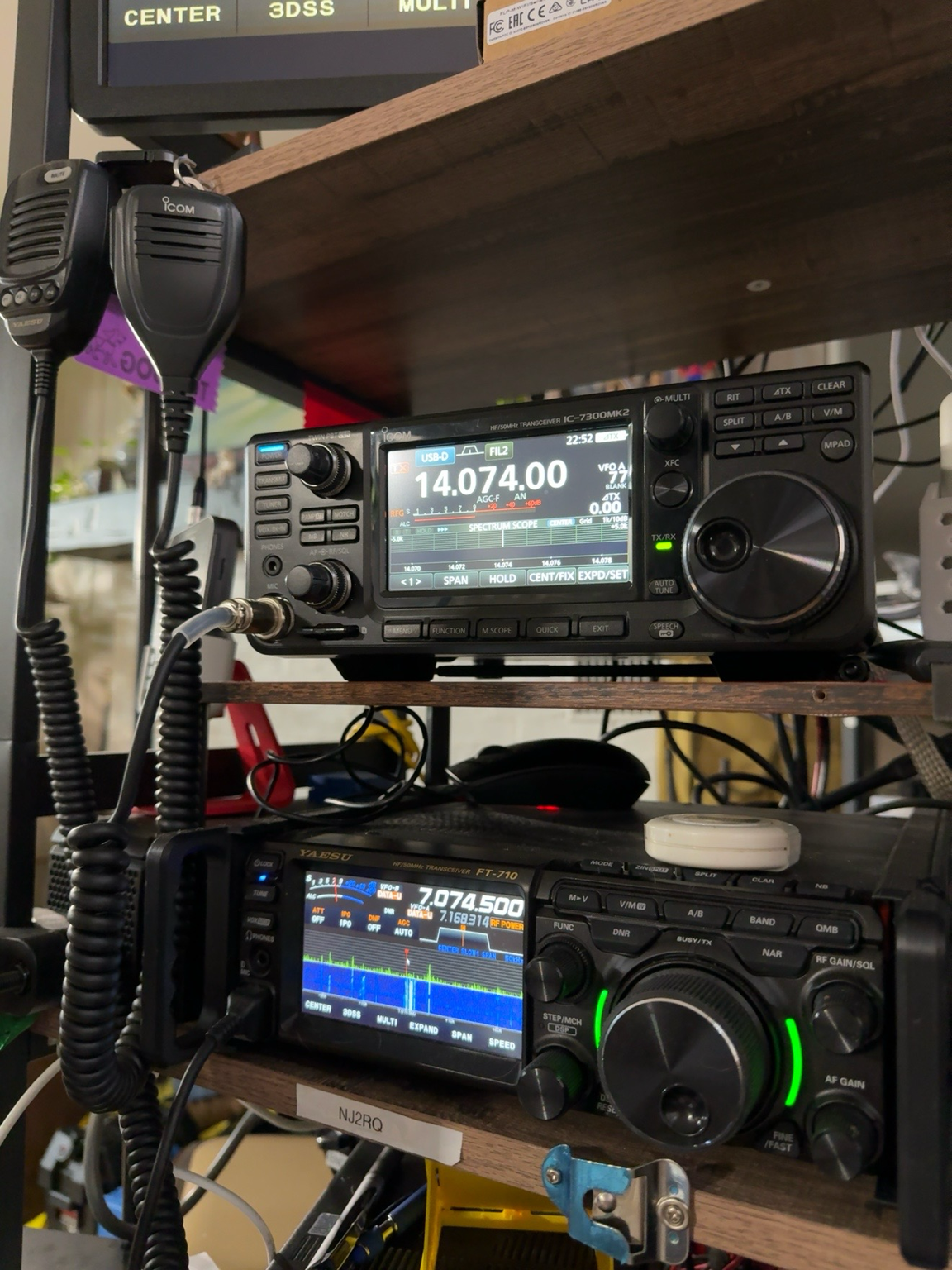
Winlink Made Easy: Installation, Configuration and Your First Message
Read more: Winlink Made Easy: Installation, Configuration and Your First MessageA beginner-friendly Winlink guide covering Winlink Express, Telnet testing, VARA FM, VARA HF, account setup, radio configuration, and your first message.
-
Would a Beverage Antenna Improve My 160/80 Meter Reception?
Read more: Would a Beverage Antenna Improve My 160/80 Meter Reception?A Beverage antenna will not make your transmitted signal stronger, but on 160 and 80 meters it can dramatically improve what you hear by reducing noise and favoring signals from one direction.
-
P25 for Amateur Radio: What It Is and an Easy Step-by-Step Setup
Read more: P25 for Amateur Radio: What It Is and an Easy Step-by-Step SetupA practical guide to P25 Phase 1 amateur radio, including NAC $293, correct talkgroup behavior, conventional programming, and MMDVM hotspot setup.
-
MMSSTV: An Easy Way to Get Started With Slow-Scan TV
Read more: MMSSTV: An Easy Way to Get Started With Slow-Scan TVMMSSTV is a classic Windows program for amateur-radio Slow Scan Television. Here is a beginner-friendly guide to receiving your first SSTV image and getting ready to transmit.
-
Yaesu System Fusion Made Easy: Step-by-Step Setup and First Contact
Read more: Yaesu System Fusion Made Easy: Step-by-Step Setup and First ContactA corrected beginner-friendly guide to Yaesu System Fusion, C4FM, DN/VW modes, DG-ID, WIRES-X, and the important difference between native WIRES-X and YSF/FCS hotspots.
-
M17 Explained: What It Is and an Easy Step-by-Step Setup
Read more: M17 Explained: What It Is and an Easy Step-by-Step SetupM17 is an open-source amateur-radio digital voice and data protocol using 4FSK and Codec2. This corrected beginner guide explains the RF basics, current hardware paths, reflectors, setup, and troubleshooting.
-
IAX Direct Made Easy: A Beginner’s Step-by-Step Setup Guide
Read more: IAX Direct Made Easy: A Beginner’s Step-by-Step Setup GuideA practical ASL3 guide to authenticated IAX2 client access and private node-to-node links: secure setup, correct dialplan options, testing, and limitations.
-
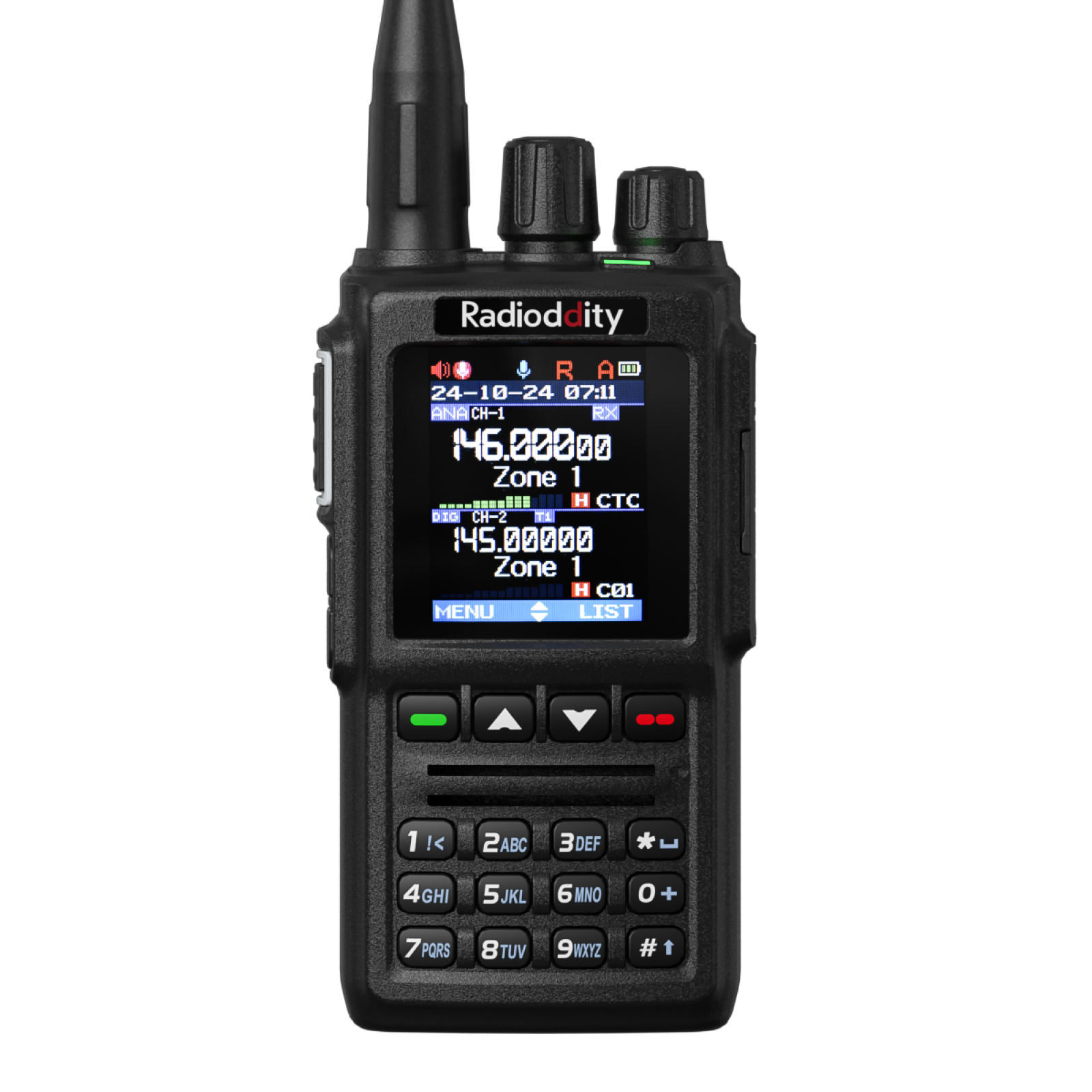
DMR Made Easy: A Beginner’s Step-by-Step Setup Guide
Read more: DMR Made Easy: A Beginner’s Step-by-Step Setup GuideMaster DMR setup with our step-by-step guide. Learn the 4 key pillars (TDMA, Color Codes, Talkgroups, and Zones) to connect globally with crystal-clear audio.
-
D-STAR Made Easy: Step-by-Step Setup and Your First Contact
Read more: D-STAR Made Easy: Step-by-Step Setup and Your First ContactGet started with D-STAR digital voice: choose a compatible radio, find a repeater, program your call sign, use DR mode, and make your first local or gateway contact.
-
10 Mistakes New POTA Operators Make on Their First Activation
Read more: 10 Mistakes New POTA Operators Make on Their First ActivationPlanning your first Parks on the Air activation? Avoid these 10 common mistakes involving UTC logs, equipment tests, spotting, park boundaries, battery power, antennas and safety.
-
IC-7300MK2 for FT8: USB-C and Dual COM Ports
Read more: IC-7300MK2 for FT8: USB-C and Dual COM PortsSetting Up the Icom IC-7300MK2 for FT8: USB-C and Dual COM Ports The IC-7300MK2 adds a USB Type-C port with two virtual COM ports plus USB audio input and output. Icom specifically describes this arrangement as supporting simultaneous applications such as FT8, logging, and contest software over one USB cable. That makes the radio well…
-
Portable Power for Ham Radio: How Many Amp-Hours Do You Really Need?
Read more: Portable Power for Ham Radio: How Many Amp-Hours Do You Really Need?Portable power made practical: calculate battery amp-hours for QRP, a 100 W FT-891, and FT8, with real current figures, LiFePO4 safety tips, and useful field examples.
-
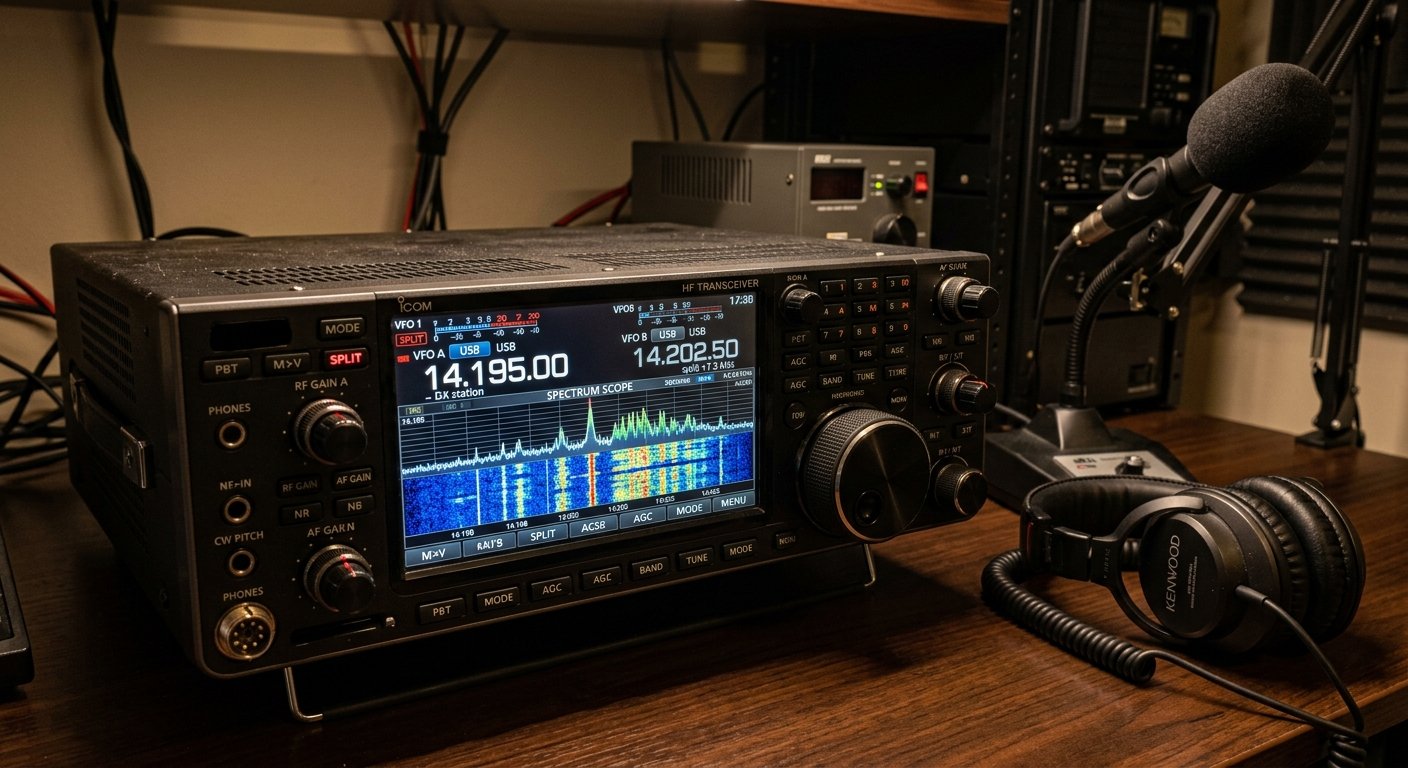
QSO One in Depth: Six Networks, Smart Net Control, and a New Way to Get on the Air
Read more: QSO One in Depth: Six Networks, Smart Net Control, and a New Way to Get on the AirAn in-depth guide to QSO One: AllStarLink, EchoLink, IAX Direct, DMR, YSF and M17, plus Net Runner, Net Finder, logging, audio tools and what it means for ham radio.
-
From Mountain-Top Repeaters to Apps in Your Pocket: How Amateur Radio Learned to Link the World
Read more: From Mountain-Top Repeaters to Apps in Your Pocket: How Amateur Radio Learned to Link the WorldA historical journey from early FM repeaters and linked systems to EchoLink, D-STAR, DMR, C4FM, NXDN, AllStarLink, PoC, Zello, RepeaterPhone and QSO One—and where connected amateur radio goes next.
-
IC-7300MK2 for FT8: USB-C, Dual COM Ports, and a Cleaner Digital Setup
Read more: IC-7300MK2 for FT8: USB-C, Dual COM Ports, and a Cleaner Digital SetupThe Icom IC-7300MK2 can carry CAT control, dual virtual COM ports, and digital audio over one USB-C cable. Here’s what that means for a practical FT8 setup.
-
Why Multiple Radios at Field Day Interfere With Each Other — and How Band-Pass Filters Help
Read more: Why Multiple Radios at Field Day Interfere With Each Other — and How Band-Pass Filters HelpStop Field Day radio interference! Learn the 3 causes of receiver overload and how to deploy band-pass filters to keep your multi-transmitter station clear.
-
How to Work DX Split Without Becoming That Guy
Read more: How to Work DX Split Without Becoming That GuySplit operation lets a DX station spread out a pileup. Here’s how to set your VFOs, find the listening pattern, stay legal, and avoid becoming part of the QRM.
-
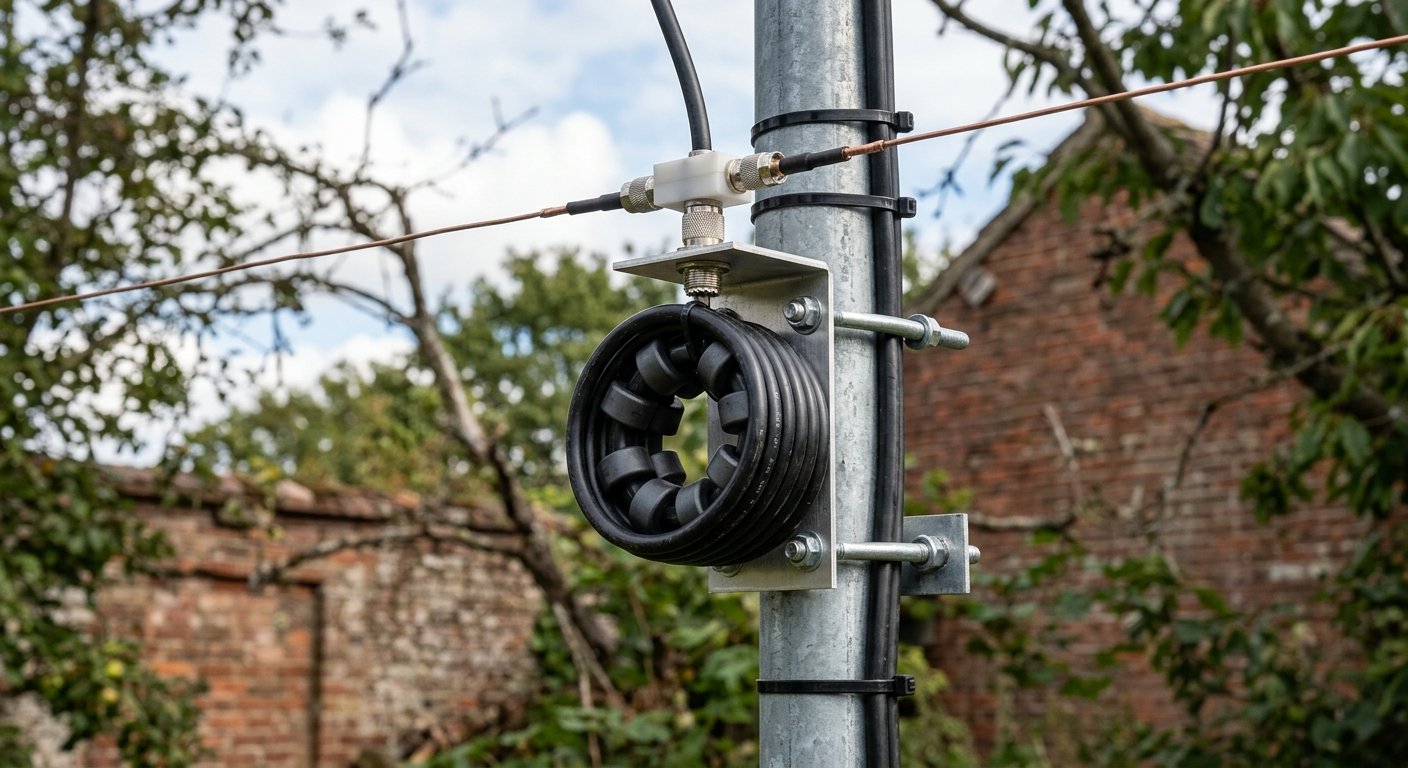
Common-Mode Current Explained: Why Ferrite Chokes Matter
Read more: Common-Mode Current Explained: Why Ferrite Chokes MatterCommon-mode current can turn the outside of your coax into part of the antenna system. Here’s how ferrite chokes help keep unwanted RF off the feed line.
-
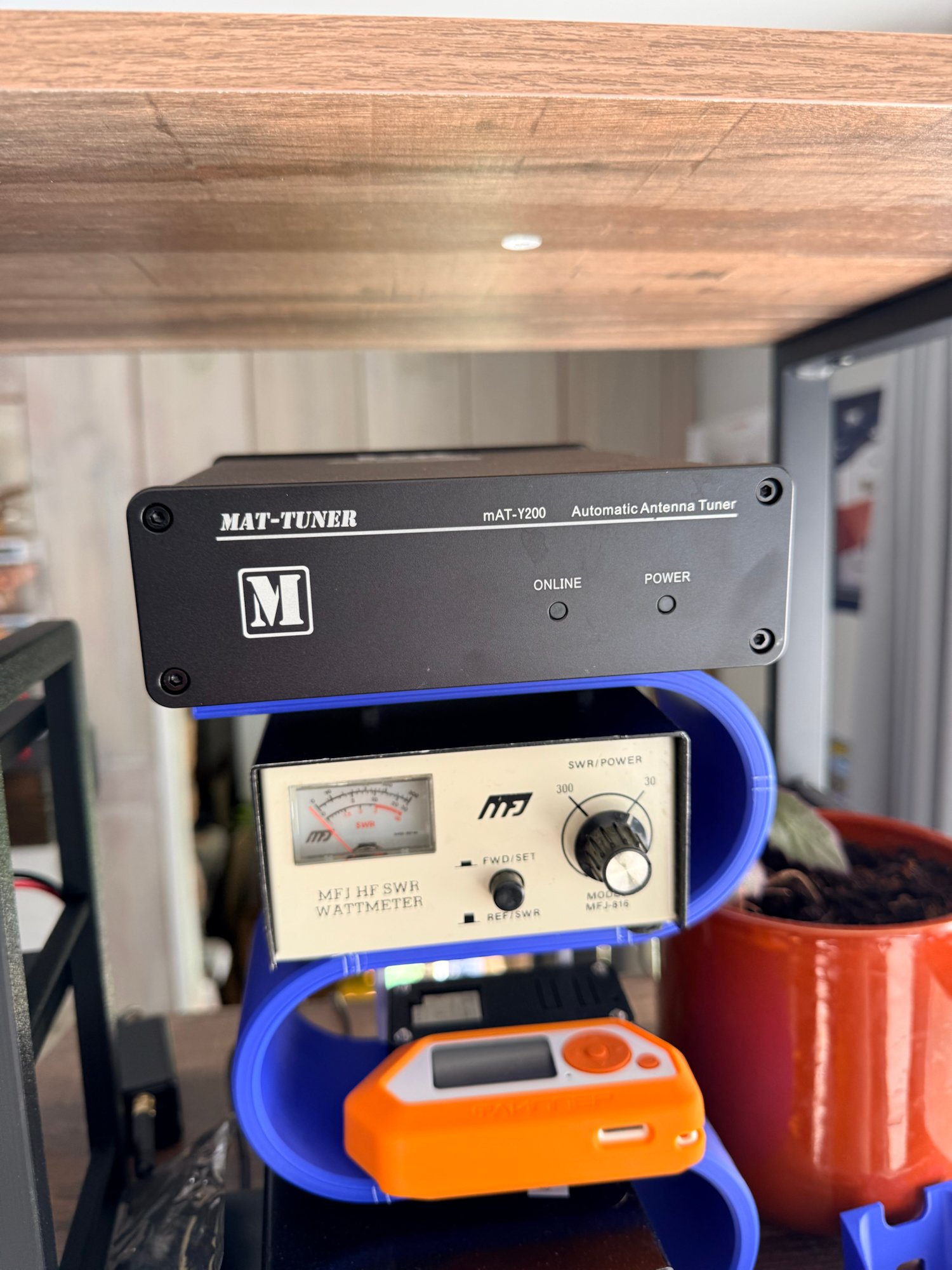
What an Antenna Tuner Really Does — and What It Doesn’t Do
Read more: What an Antenna Tuner Really Does — and What It Doesn’t DoAn antenna tuner can make your radio see a safe 50-ohm load, but it does not physically retune the antenna or erase feed-line loss. Here’s what it really does — and why tuner placement matters.
-
DMR vs D-STAR vs System Fusion: What Each Network Actually Does
Read more: DMR vs D-STAR vs System Fusion: What Each Network Actually DoesUnsure which digital voice system fits you best? Compare DMR, D-STAR, and System Fusion by air interface, station identity, networking style, and setup approach.
-
FTX-1 Field vs FT-891: Which One Would I Actually Take Into the Field?
Read more: FTX-1 Field vs FT-891: Which One Would I Actually Take Into the Field?Which is best for SOTA & POTA? Compare the 100 W Yaesu FT-891 with the FTX-1 Field, which runs up to 6 W on its supplied battery or 10 W from 13.8 V external power, plus a modern touchscreen and SDR-style spectrum display.
-
End-Fed, Vertical or Hamstick? Choosing the Right Portable HF Antenna
Read more: End-Fed, Vertical or Hamstick? Choosing the Right Portable HF AntennaEnd-fed half-wave, portable vertical or Hamstick? Compare the real tradeoffs in multiband coverage, radials, efficiency, setup time and operating location.
-
Why Your SWR Changes When You Move an Antenna — and When You Should Worry
Read more: Why Your SWR Changes When You Move an Antenna — and When You Should WorryProtect your ham rig! Learn why SWR spikes above 2.5:1 damage your transceiver, what causes sudden environmental jumps, and how to tune your setup safely.
-
HF Ham Radio Bands
Read more: HF Ham Radio BandsFor long-distance and global communications 73, Roger Quintana, NJ2RQ
-
POTA Setup From Start to First QSO: Radio, Battery, Antenna and Logging
Read more: POTA Setup From Start to First QSO: Radio, Battery, Antenna and LoggingGet your POTA station on the air in under 15 minutes! Learn to select the best transceiver, LiFePO4 battery, antenna, and logging system to start today.
-
FT8 Without the Confusion: What Your Radio Is Actually Doing When You Make a Contact
Read more: FT8 Without the Confusion: What Your Radio Is Actually Doing When You Make a ContactMaster the FT8 digital mode! Learn how this 15-second weak-signal protocol works, why it decodes signals down to -21 dB and how to set up your own station.
-
What Do SFI, K-Index and A-Index Actually Mean? A Ham’s Guide to Reading Band Conditions
Read more: What Do SFI, K-Index and A-Index Actually Mean? A Ham’s Guide to Reading Band ConditionsDecoding the Ionosphere: Understanding Propagation Indices For HF operators, the allure of long-distance communication is constant. Whether you are chasing DX, working POTA, or trying to decide which HF band to call on, the state of the ionosphere can make a major difference. If you have ever checked NOAA’s Space Weather Prediction Center or a…
-
Welcome to LuffyHamVault — NJ2RQ Amateur Radio
Read more: Welcome to LuffyHamVault — NJ2RQ Amateur RadioWelcome to LuffyHamVault, the home of NJ2RQ’s amateur-radio articles, gear notes, POTA, digital modes, mesh, GMRS and more.
-
An Interview with K2CB, The Quiet Genius Behind New Jersey’s Airwaves- W2NJR
Read more: An Interview with K2CB, The Quiet Genius Behind New Jersey’s Airwaves- W2NJRIf you’ve spent any time scanning the local bands in New Jersey, you’ve almost certainly keyed up the W2NJR repeater network. But who is the voice and the vision behind the gear? I had the pleasure of meeting up with Eric, K2CB, who was first licensed in 1984 at the age of 15. His journey…
-
🌲 What is Parks on the Air (POTA)?
Read more: 🌲 What is Parks on the Air (POTA)?POTA is an international award program that encourages amateur radio operators to take their gear out of the home shack and into the wild. It turns public parks into temporary radio stations, promoting both the hobby and our beautiful public lands. The community is split into two main roles (and many operators do both!): Activators:…
-
Hy-gain AV 680
Read more: Hy-gain AV 680Real-World Review: The Hy-Gain AV-680 Patriots Vertical Antenna If you are looking for a true multi-band HF antenna that delivers solid performance without a massive backyard footprint, the Hy-Gain AV-680 Patriots vertical is bound to cross your radar. Covering 9 bands from 80 meters all the way up to 6 meters, it promises a lot…
-
Exploring the Virtual Airwaves: What HamSphere Is (and Isn’t)
Read more: Exploring the Virtual Airwaves: What HamSphere Is (and Isn’t)If you’ve spent any time looking into modern ways to experience amateur radio, you’ve likely stumbled upon a platform called HamSphere. For many beginners or those without a permanent rig setup, it’s a fascinating gateway into the hobby. But what exactly is it? If you look at a registered call sign like 2HS22392, you’ll notice…
-
Ham Radio Prep
Read more: Ham Radio PrepClick on link https://www.facebook.com/share/r/1DVPN8MUwY/?mibextid=wwXIfr
-
DX Engineering
Read more: DX EngineeringClick on link https://www.facebook.com/share/v/183fdXLgM2/?mibextid=wwXIfr
-
The Gray Line
Read more: The Gray LineIf you’ve ever been on the air around sunset or sunrise and noticed signals from the other side of the planet suddenly booming in—as if someone flipped a secret switch—you’ve experienced the Gray Line. In the ham radio world, we call this the “DX Magic Hour,” and for good reason. It’s that brief, 30-to-45-minute window…
-
Technical Analysis: VHF/UHF Simplex Propagation and Operation
Read more: Technical Analysis: VHF/UHF Simplex Propagation and OperationSimplex operation represents the fundamental Single-Frequency Half-Duplex communication mode. Unlike duplex systems that utilize frequency offsets and repeaters, simplex relies entirely on the direct link between two stations. This makes it the ultimate test of a radiant system’s efficiency and the operator’s mastery of the local RF environment. In the VHF and UHF bands, communication…
-
What is Impedance
Read more: What is ImpedanceIf you’ve ever tried to tune an antenna or wondered why your radio isn’t delivering full power to the air, you’ve already bumped into impedance—even if you didn’t call it that. In simple terms, impedance is how a circuit “pushes back” against an RF signal. It’s not just plain resistance. It also includes effects from…
-
Grounding
Read more: GroundingWhen you look at a grounding system like this—multiple rods connected in a ring—it might seem like overkill at first. But in ham radio, this is exactly the kind of setup that separates a “working station” from a reliable and safe station. In practice, grounding isn’t just about sticking a rod in the ground. It…
-
The Sky is No Longer the Limit: Why Starlink is a Game Changer for Hams and Homeowners
Read more: The Sky is No Longer the Limit: Why Starlink is a Game Changer for Hams and HomeownersWhether you’re working a digital pile-up on FT8 or just trying to jump on a Zoom call from a rural area, we all know that a stable, high-speed internet connection is the backbone of modern life. Today, I want to dive deep into a piece of technology that has completely redefined what “being connected” means:…
-
From the Front Yard to the Far East: A Guide to FT8
Read more: From the Front Yard to the Far East: A Guide to FT8There is a unique kind of magic in amateur radio that never gets old. This morning, I sat in my shack, sipped a coffee, and watched my screen as a station in New Zealand confirmed a contact with me. Then Russia. Then Japan. The kicker? I wasn’t using a massive tower. I was using an…
-
The HF Resilience: Lessons from the Iran Blackout
Read more: The HF Resilience: Lessons from the Iran BlackoutWhen Iran’s digital infrastructure collapsed into a total blackout, the modern world learned a humbling lesson. For over 60 hours, the silence was absolute: government channels vanished, state media went dark, and public services flatlined. Yet, amidst the wreckage of a sophisticated cyberwar, a single frequency—7910 kHz—remained untouchable. While the internet proved fragile, shortwave radio…
-
Dr. James Harris Rogers (1856-1929) of Hyattsville, Md., inventor of the “loop aerial” and holder of numerous patents in telegraphy, telephony and radio.
Read more: Dr. James Harris Rogers (1856-1929) of Hyattsville, Md., inventor of the “loop aerial” and holder of numerous patents in telegraphy, telephony and radio. -
The Titanic’s SOS
Read more: The Titanic’s SOSJack Phillips — the manBorn April 11, 1887 — he celebrated his 25th birthday the day after Titanic departed. He was just a kid.The night it happenedBride had gone to bed early to relieve Phillips at midnight. The Titanic hit the iceberg at 11:40pm. Bride woke up, Phillips said they had struck something, and Captain…
-
New Hams, what if you mess up!
Read more: New Hams, what if you mess up!That thought bubble says it all. What if I mess up? What do I even say? Will anyone respond? 🤔We’ve all been there. Every single one of us.I am new ham as well and this is what I learned on the air— the ham radio community is the most welcoming group of people you’ll ever…
-
📡 125 years ago, a signal changed everything.
Read more: 📡 125 years ago, a signal changed everything.December 12, 1901. A cold, windswept cliff in Newfoundland, Canada.Guglielmo Marconi sat in a tent — headphones on, listening for something many believed simply wouldn’t work.Then he heard it.Three faint dots. ···The letter “S” in Morse code.Transmitted from Poldhu, Cornwall, England — over 2,000 miles across the Atlantic.No wire. No cable. Just invisible waves crossing…
- Winlink Made Easy: Installation, Configuration and Your First Message
- Would a Beverage Antenna Improve My 160/80 Meter Reception?
- P25 for Amateur Radio: What It Is and an Easy Step-by-Step Setup
- MMSSTV: An Easy Way to Get Started With Slow-Scan TV
- Yaesu System Fusion Made Easy: Step-by-Step Setup and First Contact
- M17 Explained: What It Is and an Easy Step-by-Step Setup
- IAX Direct Made Easy: A Beginner’s Step-by-Step Setup Guide
- DMR Made Easy: A Beginner’s Step-by-Step Setup Guide
- D-STAR Made Easy: Step-by-Step Setup and Your First Contact
- 10 Mistakes New POTA Operators Make on Their First Activation
- IC-7300MK2 for FT8: USB-C and Dual COM Ports
- Portable Power for Ham Radio: How Many Amp-Hours Do You Really Need?
- QSO One in Depth: Six Networks, Smart Net Control, and a New Way to Get on the Air
- From Mountain-Top Repeaters to Apps in Your Pocket: How Amateur Radio Learned to Link the World
- IC-7300MK2 for FT8: USB-C, Dual COM Ports, and a Cleaner Digital Setup